


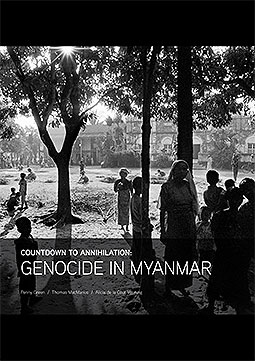
In May 2015 scenes of desperate people stranded without food or water on captain-less boats off the coasts of Thailand, Malaysia and Indonesia brought global attention to the Rohingya,1 a 1.1 million-strong Muslim ethnic group in Rakhine state, Myanmar (formerly Burma).2 The immediate humanitarian crisis, however, masked a much deeper and more unpalatable crisis – a genocidal persecution organised by the Myanmar State from which the Rohingya were fleeing.
Reports of this persecution led researchers from the International State Crime Initiative (ISCI) to explore whether or not well-documented state crimes against Myanmar’s Rohingya do indeed amount to genocide. ISCI’s detailed research found ample evidence that the Rohingya have been subjected to systematic and widespread violations of human rights, including killings, torture, rape and arbitrary detention; destruction of their homes and villages; land confiscation; forced labour; denial of citizenship; denial of the right to identify themselves as Rohingya; denial of access to healthcare, education and employment; restrictions on freedom of movement, and State-sanctioned campaigns of religious hatred.
It also found compelling evidence of State-led policies, laws and strategies of genocidal persecution stretching back over 30 years, and of the Myanmar State coordinating with Rakhine ultra-nationalists, racist monks and its own security forces in a genocidal process against the Rohingya.
The persecution entered a new and more devastating phase in 2012. Organised massacres left over 200 Rohingya men, women and children dead. Up to 60 Rakhine were also killed during the June violence. Hundreds of homes, the vast majority belonging to Rohingya, were destroyed.


