


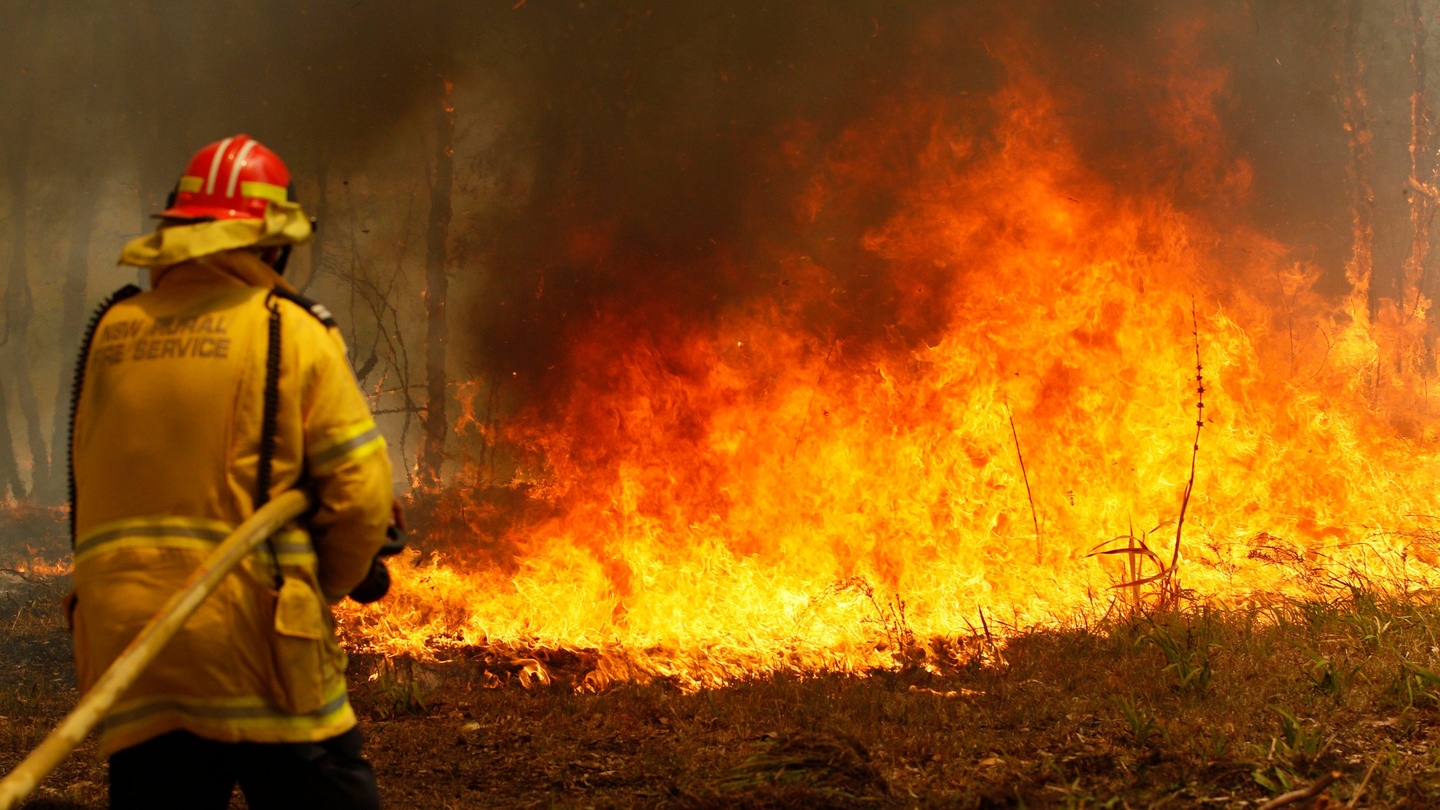
The destruction of six Rohingya homes in Maung Ni Ward, Maungdaw Township, on March 18 is more than an isolated fire incident. Emerging patterns across northern Rakhine State suggest a deeper intersection of armed governance, contested territorial control, and the fragile politics of Rohingya return.
While the immediate cause of the fire remains undetermined, its broader implications touch on three critical fault lines:
-
-
-
- the consolidation of authority by the Arakan Army (AA),
- the erosion of Rohingya property security,
- the geopolitical deadlock surrounding repatriation between Bangladesh and Myanmar.
-
-
I. Fire Under Armed Governance: The Arakan Army’s Expanding Authority
Since intensifying clashes with Myanmar’s military, the Arakan Army (AA) has effectively assumed administrative and security functions across large parts of northern Rakhine, including Maungdaw Township.
Local testimonies indicate that AA-linked emergency response units, including fire services, are now often the first—and sometimes only—responders to incidents such as the Maung Ni fire. This reflects a broader transition from insurgent force to de facto governing authority.
However, this evolving governance structure raises critical questions:
-
-
-
- Accountability gaps: There is no transparent investigative mechanism to determine causes of incidents like fires or property destruction.
- Selective protection concerns: Rohingya communities report uneven access to protection and services compared to other local populations.
- Administrative ambiguity: The absence of internationally recognized governance structures complicates oversight and legal recourse.
-
-
In conflict environments, the monopolization of both coercive power and civil administration by a non-state armed group often produces blurred lines between governance and control.
II. Burning Homes, Shrinking Futures: Patterns of Property Destruction
The Maung Ni incident aligns with a broader pattern reported by displaced Rohingya: the destruction or degradation of abandoned homes in conflict-affected zones.
Though definitive attribution remains elusive, several analytical possibilities emerge:
1. Opportunistic Destruction Amid Conflict
Armed clashes, looting, and incidental fires often accompany unstable frontlines, resulting in unintentional property loss.
2. Strategic Territorial Reconfiguration
Destruction of vacant Rohingya homes may serve to:
-
-
-
- Prevent return and reoccupation
- Alter demographic or land-use realities
- Reinforce control over contested areas
-
-
3. Politically Motivated Signaling
For displaced populations, such incidents carry symbolic weight. Reports from refugees suggest a perception that the destruction of homes sends a message: return may not be welcome—or possible.
These patterns, whether coordinated or incidental, collectively erode the material basis for repatriation: land, shelter, and community continuity.
III. Repatriation in Crisis: Bangladesh–Myanmar Deadlock
The fire comes at a time when discussions on Rohingya repatriation remain stalled between Bangladesh and Myanmar.
Bangladesh continues to host over one million Rohingya refugees in Cox’s Bazar, facing:
-
-
-
- Severe funding cuts to humanitarian aid
- Rising camp insecurity and livelihood restrictions
- Increasing pressure to initiate returns
-
-
However, conditions inside Rakhine remain far from conducive:
-
-
-
- Lack of security guarantees
- Absence of citizenship rights
- Ongoing armed conflict and fragmented authority
-
-
The destruction of homes further complicates negotiations. Without verifiable guarantees of property restitution or compensation, repatriation risks becoming unsustainable or coercive.
Refugees interviewed by KPN express growing distrust:
“If our homes are gone, what are we returning to?”
IV. International Law Perspective: Forced Displacement and Property Rights
Under international law, the situation raises serious concerns related to forced displacement, property rights, and safe return conditions.
Key legal principles include:
1. Right to Voluntary, Safe, and Dignified Return
Recognized under international refugee frameworks, return must be:
-
-
-
- Voluntary
- Informed
- Conducted in safety and dignity
-
-
Destruction of homes directly undermines these criteria.
2. Protection of Civilian Property
Under international humanitarian law (IHL):
-
-
-
- Civilian property must not be targeted or destroyed unless imperatively required by military necessity.
- Widespread or systematic destruction may constitute a war crime.
-
-
3. Restitution and Compensation
International standards affirm that displaced persons have the right to:
-
-
-
- Return to their homes
- Recover property
- Receive compensation where restoration is impossible
-
-
In the Rohingya context, enforcement mechanisms remain weak, with limited international access to northern Rakhine.
V. Human Reality: Between Loss and Uncertainty
For Rohingya refugees in Bangladesh, the implications are immediate and deeply personal.
Many fled with the expectation of eventual return. Instead, they now face:
-
-
-
- Prolonged displacement
- Economic marginalization
- Uncertainty over the fate of their homes and land
-
-
One refugee from Maungdaw described the situation bluntly:
“We left everything behind, believing we would come back. Now even that hope is burning.”
Conclusion: A Fire That Extends Beyond Six Homes
The Maung Ni fire is not only a humanitarian incident—it is a political signal embedded within a broader conflict ecosystem.
It reflects:
-
-
-
- The rise of parallel governance structures under the AA
- The vulnerability of Rohingya property rights in conflict zones
- The deepening impasse in Bangladesh–Myanmar repatriation efforts
- The widening gap between international legal standards and ground realities
-
-
Unless these structural issues are addressed, each destroyed home risks becoming another barrier to resolution—transforming displacement from a temporary crisis into a permanent condition.


