


A surge in online hate speech targeting Rohingya refugees in Malaysia has forced several refugee learning centres to suspend operations, leaving hundreds of children out of school and families living in fear. Rights groups, educators and the UN refugee agency warn that escalating digital harassment is creating long-term psychological harm while undermining children’s right to education and safety.
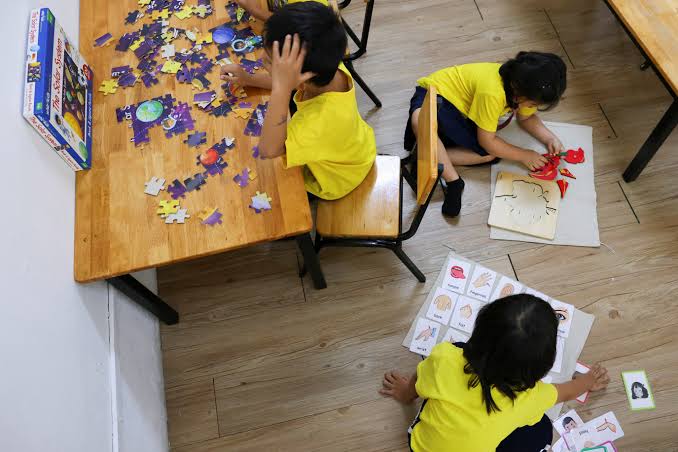
According to Reuters, at least nine Rohingya refugee schools across Malaysia have temporarily closed after viral online campaigns, misinformation and hate speech intensified hostility toward the refugee community. The closures have disrupted education for hundreds of Rohingya children already living in precarious conditions.
Children Threatened on Their Way to School
Twelve-year-old Nur, a Rohingya refugee, has not attended school since June after being threatened by two men while walking to class.
“Why do you want to go to school? Do you want to take over our country?” the men reportedly told her.
Nur’s experience reflects growing fears among Rohingya families, many of whom now keep their children at home due to safety concerns.
“Children are so frightened that they are afraid to leave their homes,” said Sharifah Shakirah, a Rohingya activist who grew up in Malaysia.
“You are not just worrying a child for a day or two—you are creating lasting trauma,” she said.
Public Sentiment Shifted After COVID-19
Malaysia has long been viewed as a relatively welcoming destination for refugees fleeing conflict in Myanmar.
However, public attitudes shifted during the COVID-19 pandemic following misinformation and allegations that refugees were spreading disease, disregarding local customs and competing with Malaysians for jobs.
Speaking in Parliament last week, Deputy Foreign Minister Lukanisman Awang Sauni acknowledged growing public concerns.
“Citizens have begun to feel the burden of issues related to managing the Rohingya community,” he said, adding that authorities must balance humanitarian responsibilities with national security considerations.
Social Media Campaign Intensifies
A new wave of anti-Rohingya content emerged in May on platforms including Meta and TikTok following reports linked to hygiene concerns surrounding ritual livestock slaughter by a Rohingya group.
An online petition calling on the Malaysian government to “remove” Rohingya refugees collected nearly 500,000 signatures before being taken down in June after rights organizations raised concerns.
Some social media users also encouraged others to identify Rohingya neighbourhoods and report their locations to authorities.
Sharifah described the situation as unprecedented.
“What we are seeing now is one hundred times worse than during COVID.”
Reuters reviewed posts that included calls for violence against Rohingya refugees—including children—while some influential accounts encouraged users to document refugee communities online.
Concerns Over Platform Moderation
Human rights organization Article 19 said enforcement of platform policies against hate speech remains inconsistent despite existing rules.
Rights advocates argue that automated moderation systems often struggle to detect coded language, visual content and local linguistic nuances, allowing harmful content to remain online.
The United Nations High Commissioner for Refugees (UNHCR) also expressed concern over increasing online hate speech, misinformation and dehumanizing narratives targeting Rohingya refugees and other displaced communities.
UNHCR called for continued monitoring and stronger measures to reduce risks for both refugees and host communities.
Education Interrupted, Future at Risk
Education experts warn that prolonged school closures expose Rohingya children to additional risks, including social isolation, child marriage and exploitation.
Dozens of refugee learning centres either remain closed or continue operating under significant restrictions because of safety concerns and regulatory challenges.
For Nur, losing access to education means losing hope for the future.
“If I don’t go to school, I won’t be able to learn anything, and I won’t be able to become someone,” she told Reuters.
Humanitarian organizations say protecting refugee children requires ensuring safe access to education, stronger online safeguards and coordinated action by the Malaysian government, technology companies and international partners.