


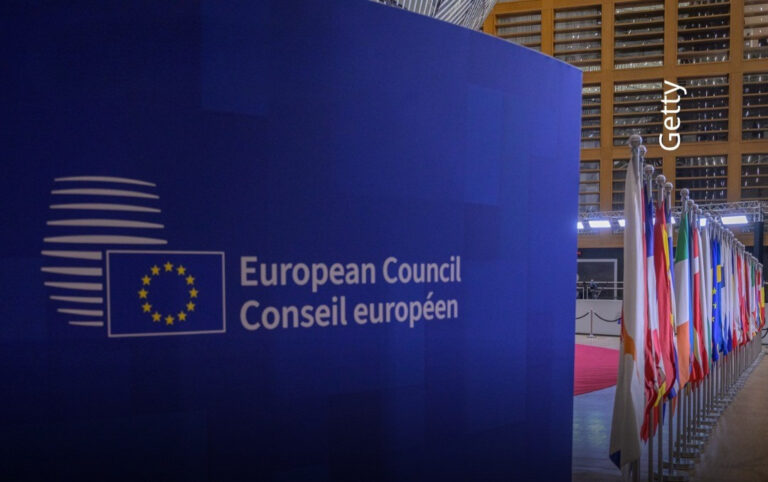
The decision by the European Union to extend sanctions on Myanmar until April 2027 underscores a widening gap between international pressure and on-the-ground political realities, as the military leadership continues to consolidate control more than five years after the 2021 Myanmar coup d’état.
While EU officials frame the measures as targeted and principled, analysts say their strategic impact remains constrained by enforcement limitations, regional geopolitical divisions, and the junta’s ability to adapt economically and diplomatically.
Sanctions Architecture: Targeted but Limited Reach
The EU’s restrictive regime—covering over 100 individuals and multiple entities—focuses on asset freezes, travel bans, arms embargoes, and restrictions on dual-use exports. In theory, these measures are designed to degrade the operational capacity of the Myanmar military, known as the Tatmadaw, while avoiding harm to civilians.
However, enforcement challenges persist. Myanmar’s limited financial exposure to European markets reduces the immediate economic shock of EU sanctions. Unlike comprehensive trade embargoes, the EU approach relies on targeted pressure, which analysts describe as “normatively strong but materially constrained.”
“The EU sanctions framework signals political condemnation, but its leverage is diluted without broader multilateral alignment,” said a regional policy analyst familiar with sanctions regimes.
Junta Adaptation: Economic Reconfiguration and Strategic Partnerships
Since the coup, Myanmar’s military authorities have pursued economic and diplomatic diversification to offset Western sanctions. Trade and investment flows have increasingly shifted toward regional partners, particularly China and Russia, both of which have maintained engagement with the junta.
China, in particular, plays a pivotal role through infrastructure projects, border trade, and energy pipelines linking Myanmar to Yunnan Province. While Beijing has expressed concern over instability, it has prioritized strategic access and regional stability over punitive measures.
Russia, meanwhile, has deepened military cooperation, including arms transfers and technical support—areas explicitly restricted under EU sanctions but largely unaffected due to Moscow’s non-participation in Western frameworks.
This realignment has allowed the junta to mitigate isolation and maintain critical revenue streams, particularly from natural gas exports and cross-border commerce.
ASEAN’s Fragmented Response
Regional diplomacy led by the ASEAN has struggled to produce cohesive outcomes. The bloc’s Five-Point Consensus—intended to de-escalate violence and initiate dialogue—remains largely unimplemented.
Divergences among ASEAN member states have limited collective pressure. While countries like Indonesia and Malaysia have advocated stronger engagement and accountability, others have adhered to non-interference principles, resulting in a cautious and often inconsistent approach.
“ASEAN’s structural limitations mean it cannot function as a unified enforcement actor,” said a Southeast Asia political analyst. “This weakens regional leverage over the junta.”
Western Policy Constraints and Strategic Trade-offs
Western governments, including the EU and the United States, have coordinated sanctions to some extent, but gaps remain. The absence of universal enforcement—particularly by major regional economies—creates opportunities for sanctions evasion and re-routing of financial flows.
Moreover, policymakers face a strategic dilemma: intensifying sanctions risks further economic deterioration that disproportionately affects civilians, while insufficient pressure risks normalizing military rule.
Humanitarian exemptions built into sanctions frameworks aim to address this tension, but implementation remains complex, especially in a fragmented aid environment.
Impact on Human Rights and Conflict Dynamics
Despite sustained international condemnation, human rights conditions in Myanmar continue to deteriorate. Reports of arbitrary detention, extrajudicial killings, and restrictions on fundamental freedoms persist.
Sanctions have had some indirect effects—limiting access to certain technologies and constraining elite mobility—but have not fundamentally altered the junta’s calculus.
Instead, the conflict has evolved into a protracted, multi-front crisis involving ethnic armed organizations, pro-democracy resistance groups, and the military. In this context, sanctions function more as a tool of political signaling than a decisive mechanism of change.
Rohingya and Peripheral Crises: Limited Spillover Impact
For marginalized populations such as the Rohingya—primarily from Rakhine State—the impact of sanctions is even less direct. While EU measures target military actors responsible for past and ongoing abuses, they have not translated into improved conditions for displaced communities or meaningful progress on repatriation.
Cross-border dynamics involving Bangladesh, where over one million Rohingya refugees remain, further complicate the picture. Regional instability, trafficking networks, and limited diplomatic breakthroughs continue to define the crisis.
Effectiveness Debate: Symbolic Pressure vs Structural Change
The extension of EU sanctions reflects a broader international consensus on accountability, but also highlights the limits of current approaches.
Key questions persist:
-
-
-
- Can targeted sanctions influence a military leadership insulated from Western economic systems?
- How can enforcement be strengthened without broader geopolitical alignment?
- What role can regional actors play in bridging the gap between pressure and dialogue?
-
-
“Sanctions alone cannot resolve a deeply entrenched political and military crisis,” one analyst noted. “They need to be part of a broader strategy that includes diplomacy, regional engagement, and accountability mechanisms.”
Conclusion: A Stalemate with Global Implications
As the European Union extends its restrictive measures, the situation in Myanmar reflects a geopolitical stalemate: sustained international pressure on one side, and adaptive resilience by the military authorities on the other.
Without stronger coordination between Western powers, regional actors like ASEAN, and key stakeholders such as China, the effectiveness of sanctions is likely to remain limited.
For Myanmar’s population, including conflict-affected communities and displaced groups, the consequences are ongoing uncertainty, deepening humanitarian needs, and a prolonged absence of political resolution.