


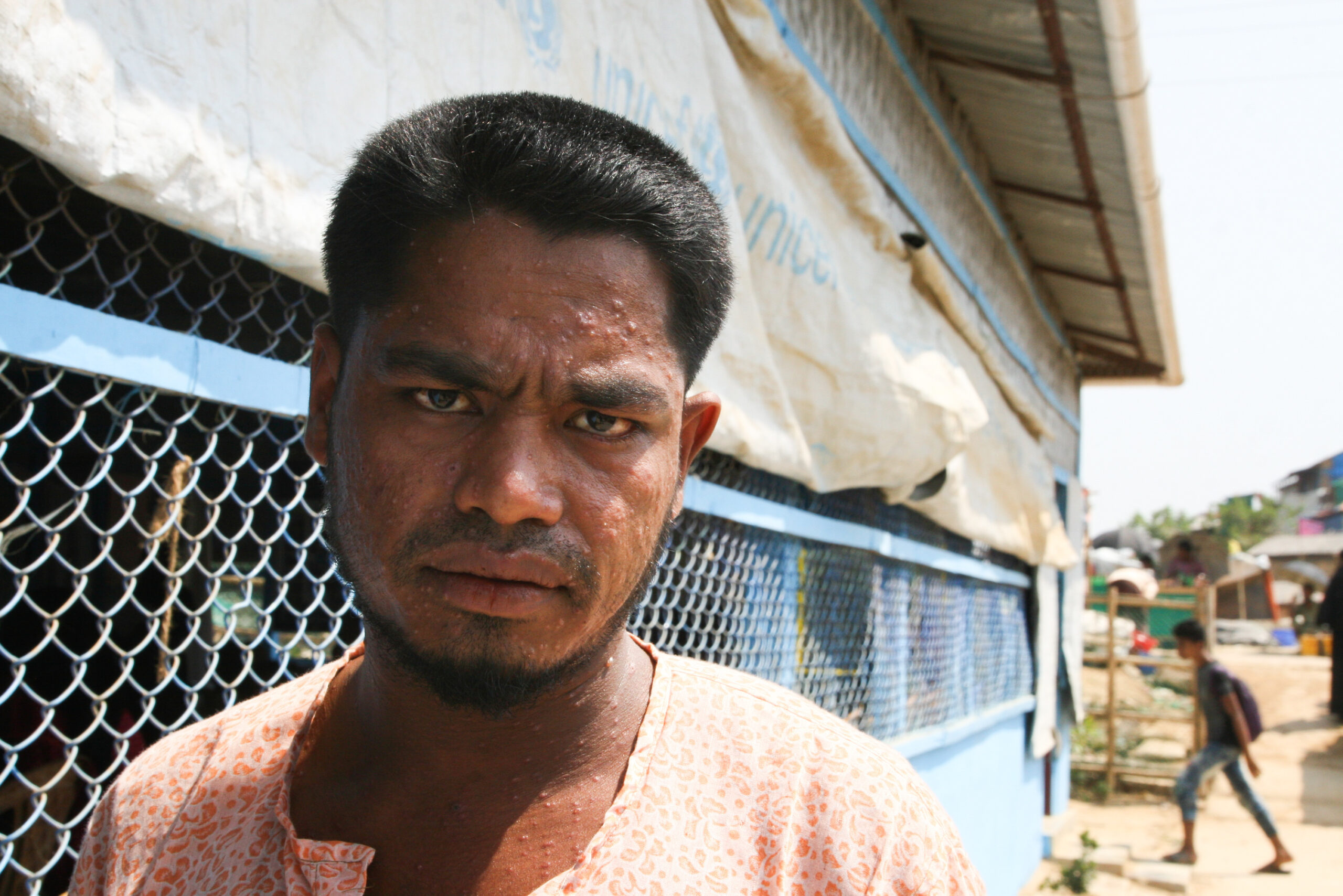
A sharp surge in chickenpox infections across Rohingya refugee camps in Cox’s Bazar is exposing deeper structural weaknesses in camp health systems, raising urgent questions about outbreak preparedness, humanitarian resource allocation, and the long-term consequences of protracted displacement.
Health authorities under the Refugee Relief and Repatriation Commission (RRRC) report 8,769 confirmed cases of chickenpox over the past three months—a more than sixfold increase compared to 1,355 cases recorded in the final half of last year. While the disease is generally considered low-risk in terms of mortality, epidemiologists warn that its rapid transmission reflects broader systemic fragility.
Epidemiological Dynamics: Density, Seasonality, and Transmission Chains
From an epidemiological standpoint, the outbreak is neither random nor unexpected.
Chickenpox, caused by the varicella-zoster virus, spreads primarily through respiratory droplets and direct contact. In high-density environments such as the Rohingya camps—where population density exceeds emergency thresholds—the basic reproduction number (R₀) of the virus increases significantly.
Seasonal transition periods further amplify transmission risks. Fluctuations in temperature and humidity can facilitate viral persistence, while weakened immunity among malnourished populations—particularly children—accelerates infection cycles.
Despite ongoing routine immunisation programmes, chickenpox vaccination is not systematically included in all humanitarian immunisation schedules, leaving a large portion of the camp population susceptible.
Health officials note that while measles and rubella remain contained due to targeted vaccination campaigns, chickenpox continues to spread largely through uncontrolled community transmission chains.
Containment Constraints: Overcrowding and the Collapse of Isolation Protocols
Field-level realities inside the camps present severe limitations to standard outbreak containment strategies.
Overcrowded shelters, often housing entire families in a single room, make effective isolation virtually impossible. Shared water points, sanitation facilities, and communal spaces further accelerate exposure.
Residents describe a near-inevitable pattern of intra-household transmission:
“Once one person is infected, it spreads to everyone,” said Mohammad Idris, a camp resident. “There is no space to separate the sick from the healthy.”
This structural inability to implement basic infection prevention measures—such as quarantine or distancing—transforms otherwise manageable diseases into widespread outbreaks.
Humanitarian System Gaps: Funding Pressures and Preventive Blind Spots
The outbreak also highlights critical gaps within the humanitarian health response framework.
Aid agencies operating in Cox’s Bazar have faced sustained funding shortfalls in recent years, forcing prioritisation of high-mortality diseases and emergency nutrition programmes. As a result, diseases perceived as “low severity,” such as chickenpox, often receive limited preventive attention.
Public health messaging on chickenpox prevention remains minimal, and community-level awareness campaigns are insufficient relative to the scale of risk.
Moreover, the absence of a comprehensive varicella vaccination strategy raises questions about policy prioritisation in protracted crisis settings, where population vulnerability remains persistently high.
Humanitarian analysts note that such gaps reflect a broader trend: as crises become prolonged, donor fatigue increasingly shapes health intervention priorities, often at the expense of preventive care.
Bangladesh–Myanmar Policy Context: Health Crisis in a Protracted Political Deadlock
The resurgence of infectious disease in the camps cannot be separated from the wider geopolitical and policy landscape.
Bangladesh continues to host over one million Rohingya refugees with limited international burden-sharing and no viable timeline for safe, voluntary repatriation to Myanmar. The absence of durable solutions has effectively transformed emergency settlements into long-term, high-risk environments.
Public health risks—including outbreaks such as chickenpox—are therefore not isolated incidents but symptoms of a prolonged displacement crisis.
Efforts toward repatriation remain stalled due to ongoing instability in Myanmar, lack of citizenship guarantees for Rohingya, and concerns over safety and rights protections. In this context, camp-based health systems are under increasing strain as they transition from emergency response to long-term service provision without corresponding structural upgrades.
Legal and Humanitarian Implications
From an international humanitarian perspective, the outbreak underscores the obligation to ensure adequate health standards for displaced populations under global human rights frameworks.
While chickenpox itself may not be fatal in most cases, the inability to control its spread raises broader concerns about the right to health, adequate living conditions, and the duty of international actors to prevent avoidable suffering in refugee settings.
Conclusion: A Warning Signal, Not an Isolated Event
The rapid spread of chickenpox in Cox’s Bazar serves as a critical warning signal.
It reveals how a combination of epidemiological vulnerability, infrastructural limitations, funding constraints, and political deadlock can converge to amplify even low-risk diseases into large-scale outbreaks.
Without targeted interventions—including expanded vaccination strategies, improved camp infrastructure, and sustained international engagement—the risk is not only continued transmission of chickenpox, but the potential escalation of more severe public health crises in the future.


